

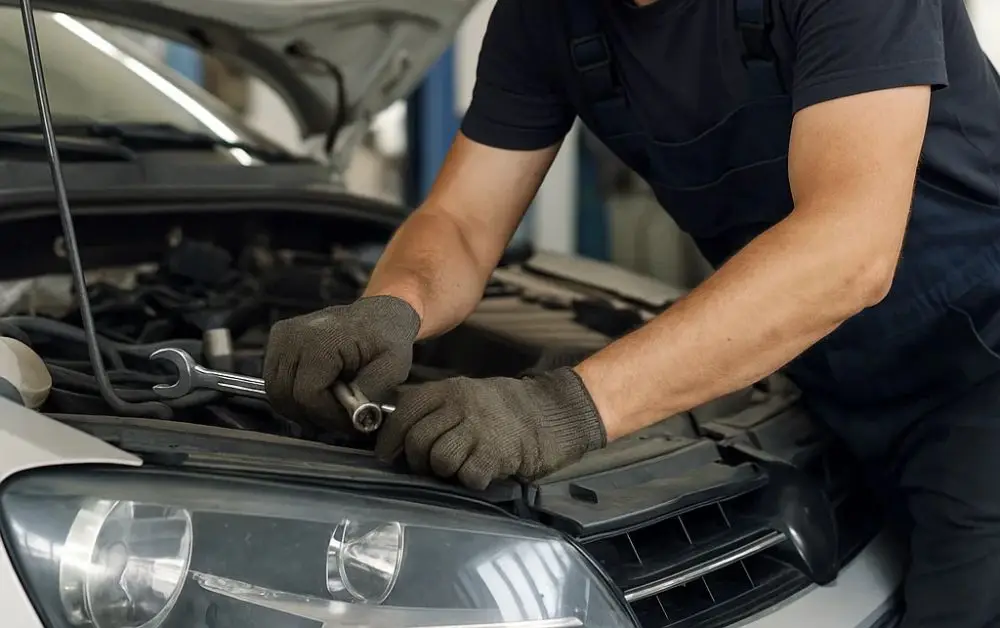
Your car’s engine is a complex system where multiple components work in harmony. Among these, the head gasket plays a vital role in ensuring smooth operation. It seals the engine block & cylinder head, preventing coolant and oil from mixing while maintaining proper compression for combustion. When a head gasket fails, it might lead to serious engine damage & costly repairs if not addressed in time.
In the UAE, where high temperatures put additional strain on engines, recognizing the early symptoms of head gasket failure is crucial. Knowing what to notice can save you from unexpected breakdowns and heavy expenses.
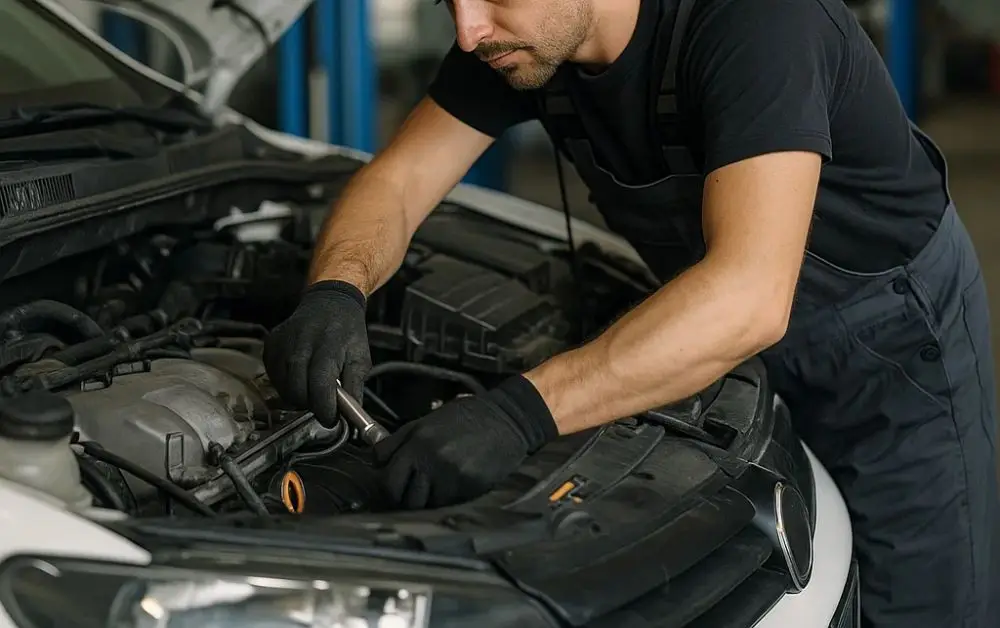
Why Is the Head Gasket Important?
The head gasket performs three essential functions:
- Sealing combustion chambers – to ensure maximum compression and engine efficiency.
- Preventing oil and coolant leaks – by keeping fluids separate within the engine.
- Protecting against overheating – by allowing coolant to circulate properly.
A failed gasket disrupts these functions, leading to poor engine performance and long-term mechanical issues.
Common Causes of Head Gasket Failure
- Overheating: The most common reason. In UAE’s hot climate, low coolant levels or poor radiator performance can quickly damage the gasket.
- High engine pressure: Aggressive driving or turbocharged engines may generate excessive pressure, stressing the gasket.
- Poor maintenance: Ignoring oil or coolant changes allows debris and sludge to weaken engine seals.
- Age and wear: Over time, even the best gaskets degrade due to heat cycles and mechanical stress.
Understanding the causes helps in prevention, but learning to spot early symptoms is even more valuable.
Early Symptoms of Head Gasket Failure
1. Overheating Engine
If your engine temperature rises rapidly or overheats often, it could indicate a blown head gasket. Leaks allow coolant to escape or mix with oil, reducing the cooling system’s efficiency.
2. White Smoke from the Exhaust
When coolant seeps into the combustion chamber, it burns along with fuel, producing thick white smoke from the exhaust. This is one of the most visible warning signs.
3. Milky or Frothy Oil
Check your oil dipstick or filler cap. If the oil looks creamy or frothy, it’s likely that coolant has mixed with it. This contamination reduces lubrication and can quickly damage the engine.
4. Loss of Coolant without Visible Leaks
If you frequently top up coolant but don’t see leaks under the car, it may be escaping internally into the engine due to a faulty gasket.
5. Bubbling in the Radiator or Coolant Reservoir
When combustion gases enter the cooling system, you may see bubbles in the radiator or coolant tank while the engine is running. This is a strong indicator of gasket failure.
6. Poor Engine Performance
Loss of compression caused by a blown gasket leads to rough idling, misfires, reduced acceleration, or difficulty starting the engine.
7. Unusual Exhaust Odor
If your exhaust smells sweet, it’s a sign that coolant is being burned in the engine. This unusual odor should not be ignored.
8. External Leaks Around the Engine Block
In some cases, coolant or oil may leak externally at the point where the gasket has failed. Look for visible residue or puddles under the car.
How to Confirm a Head Gasket Problem
While these symptoms are reliable indicators, only a professional mechanic can confirm gasket failure with diagnostic tests such as:
- Compression test: Measures pressure in each cylinder. A drop indicates a leak.
- Cylinder leak-down test: Pinpoints exactly where compression is escaping.
- Chemical test for coolant gases: Detects combustion gases in the cooling system.
Getting these tests done promptly prevents further damage to pistons, cylinders, and other critical engine components.
Suggested Read – What Are the Signs That Indicate Your Car Needs Immediate Repair?
Risks of Ignoring Head Gasket Failure
Failing to act quickly can cause severe engine damage, including:
- Warped cylinder heads due to overheating.
- Contaminated oil leading to engine seizure.
- Complete engine failure requiring replacement.
The longer you delay repairs, the higher the cost. A minor gasket repair may be manageable, but replacing or rebuilding an engine can be a major financial burden.
Preventing Head Gasket Failure
While some failures are unavoidable, consistent maintenance can greatly reduce the risk:
- Regular coolant checks: Ensure coolant levels are adequate and free of contamination.
- Monitor engine temperature: Never ignore overheating signs.
- Change oil on time: Clean oil reduces wear and protects seals.
- Avoid aggressive driving: Excessive revving or sudden acceleration increases pressure on the gasket.
- Schedule professional inspections: Regular servicing helps detect small leaks before they escalate.
In Conclusion
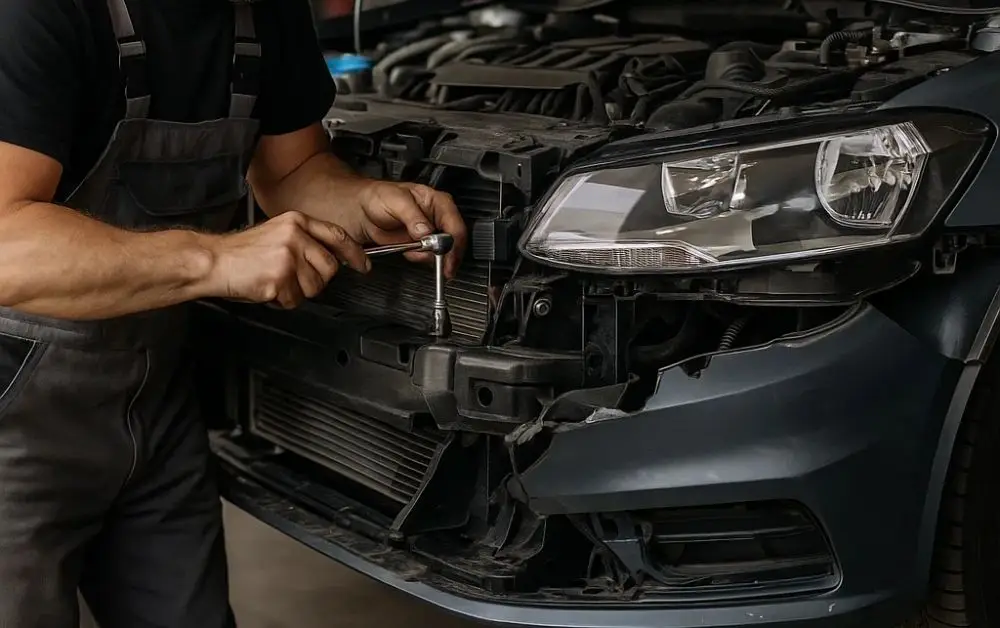
Head gasket failure is one of the most serious engine problems, but catching it early can make all the difference. By watching out for symptoms like overheating, white smoke, milky oil, or unexplained coolant loss, you can act before the damage spreads. Regular maintenance and professional inspections are key to avoiding costly breakdowns.
For expert diagnostics and reliable car repairs, trust AAA Dubai – your one-stop automotive service center in the UAE.